Skip Hire in Carnoustie
Skips for renovation work in Carnoustie.
- Eight sizes, from 2 to 16 yards
- Load the skip as your job progresses
- Delivery and collection agreed by phone
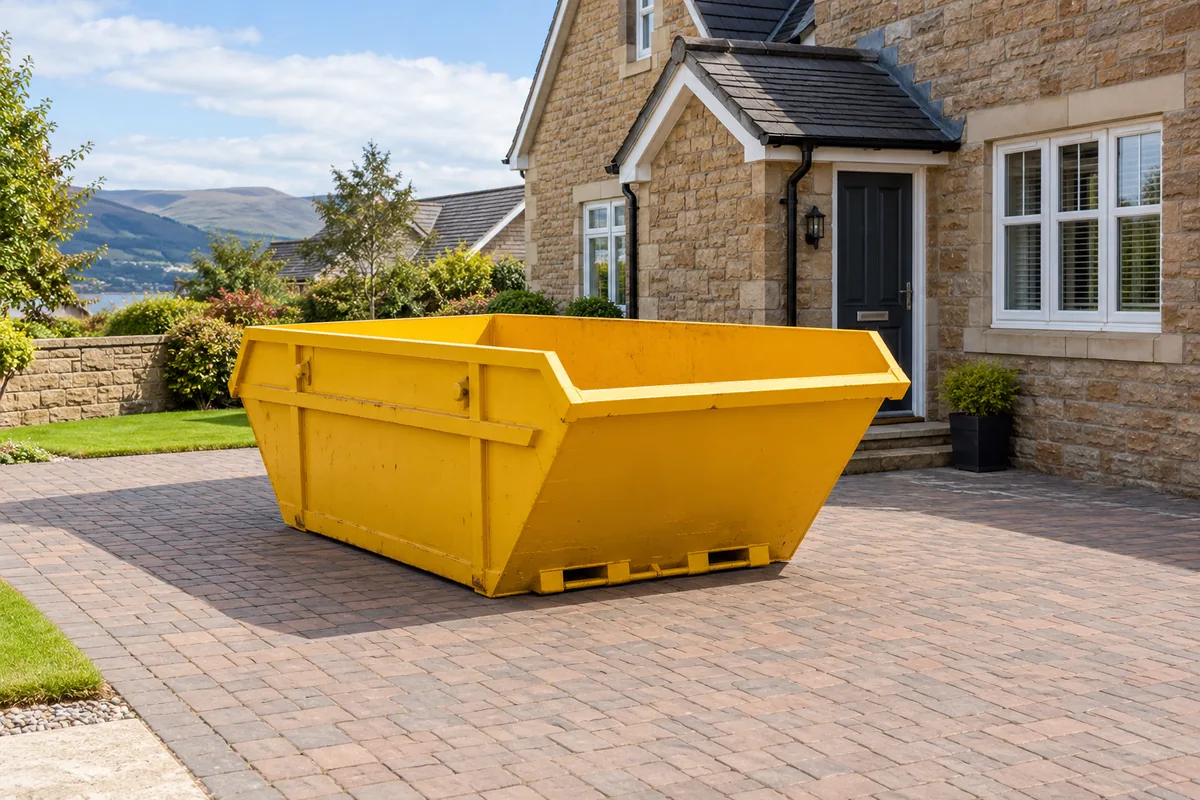
Compare eight skip sizes
From a small tidy-up to bulky clearance waste. Choose a guide size, then confirm the right container for your load.
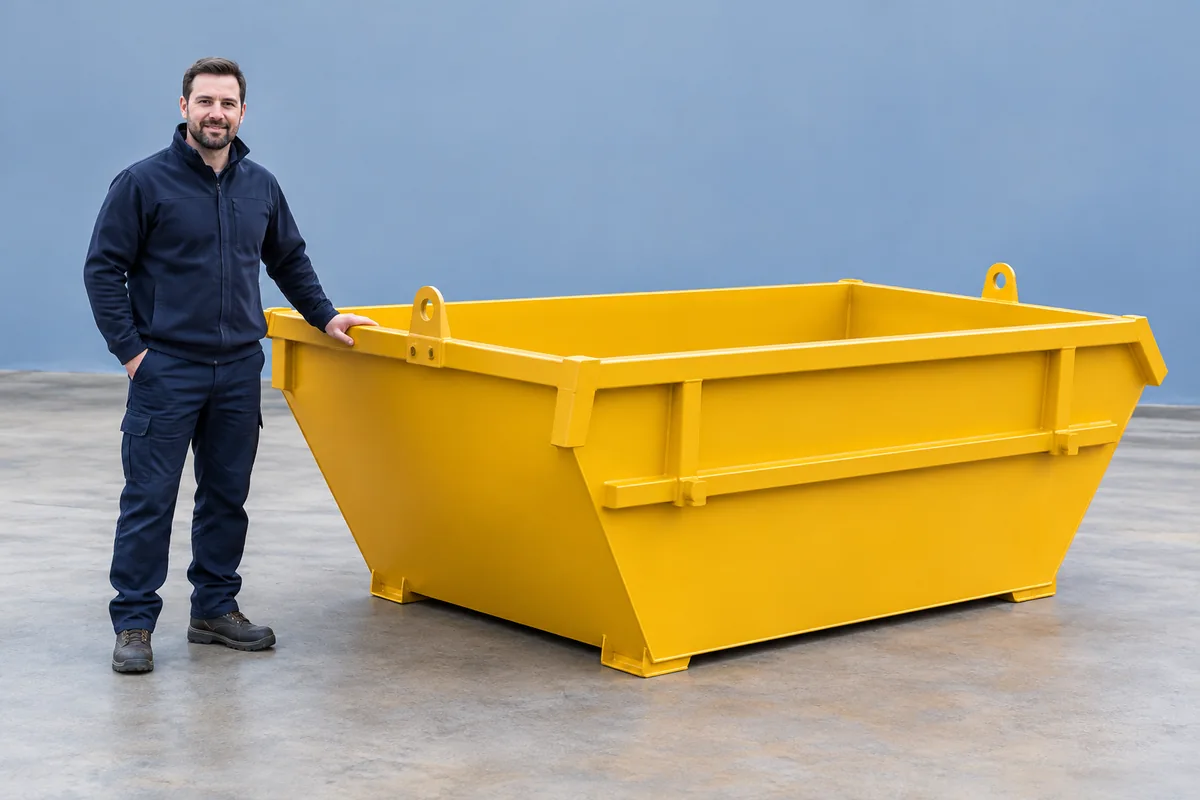
2-yard skip
Small DIY jobs
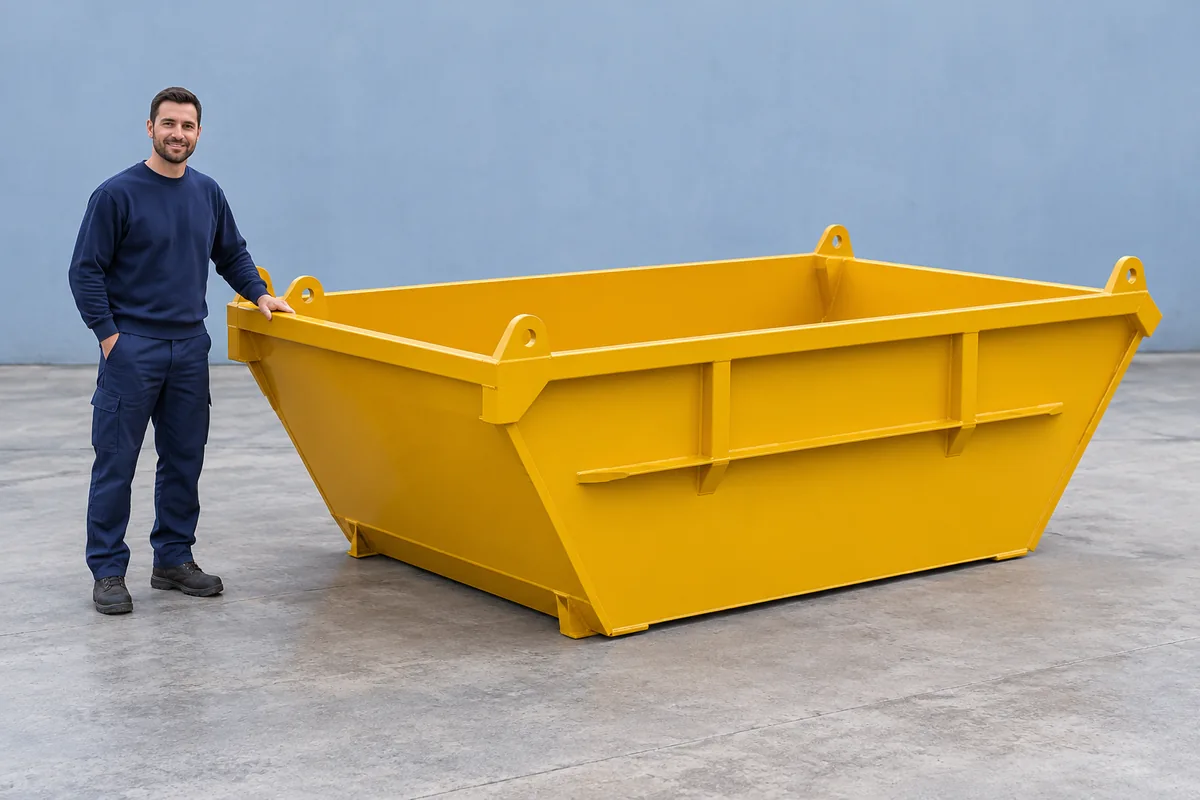
4-yard skip
Home and garden clear-outs
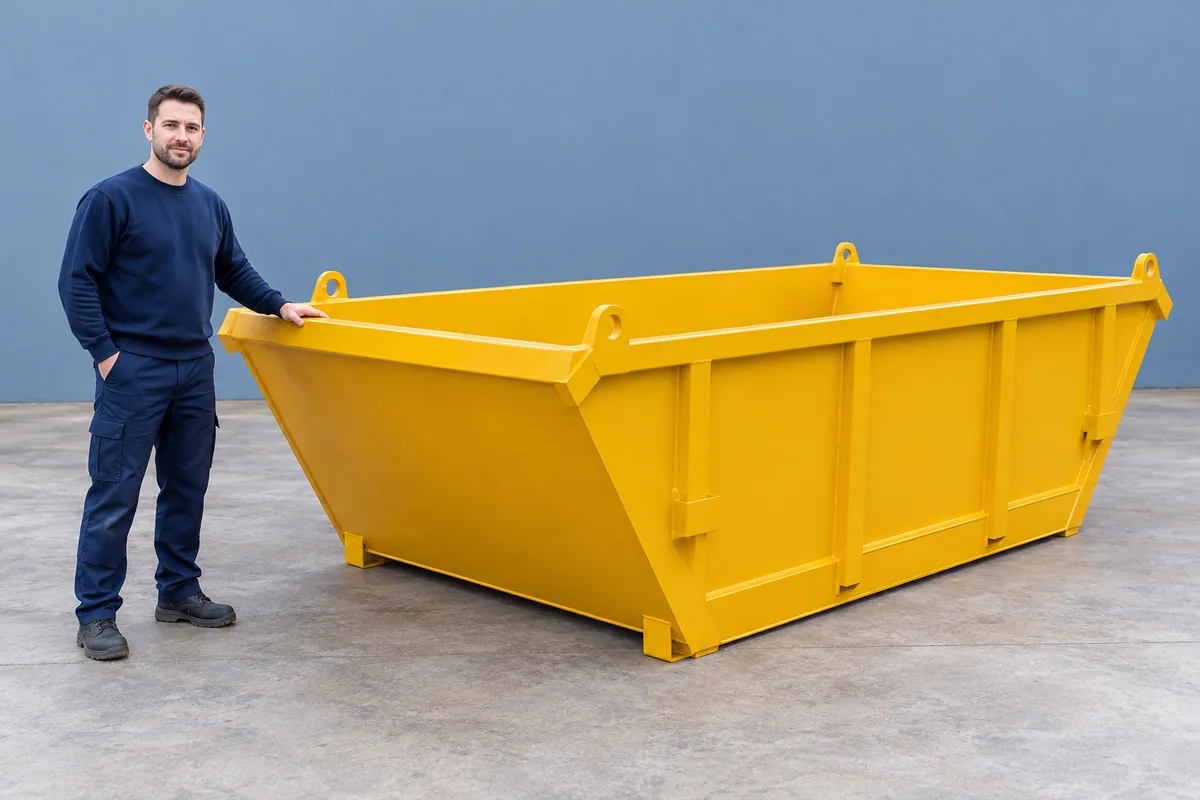
6-yard skip
Kitchen and bathroom refits
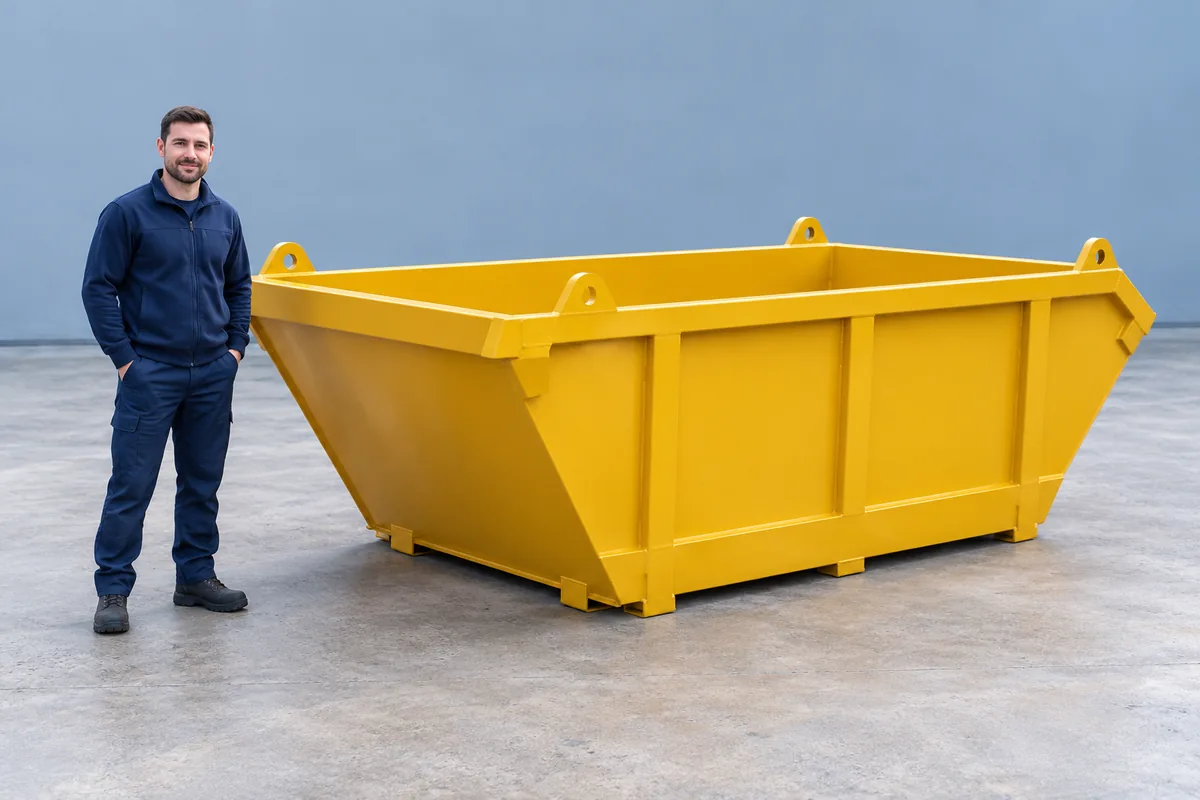
8-yard skip
Larger renovation jobs
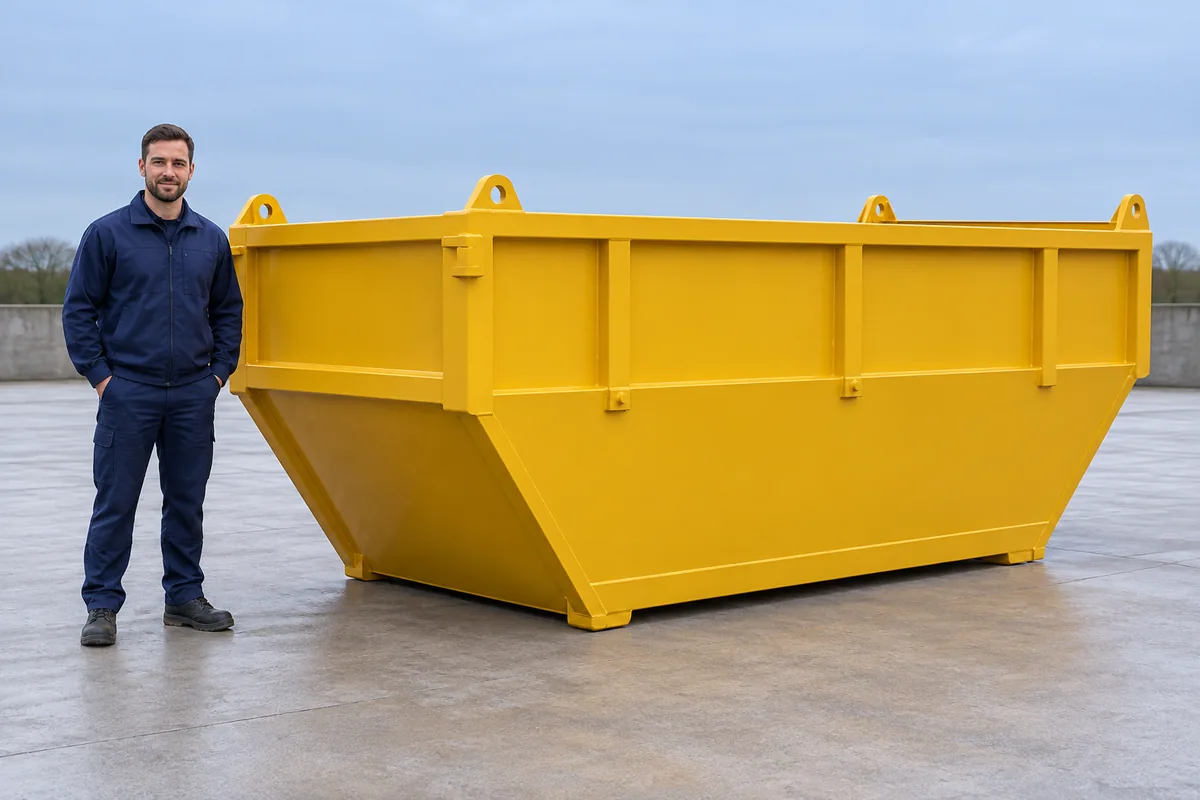
10-yard skip
Bulky, lighter waste
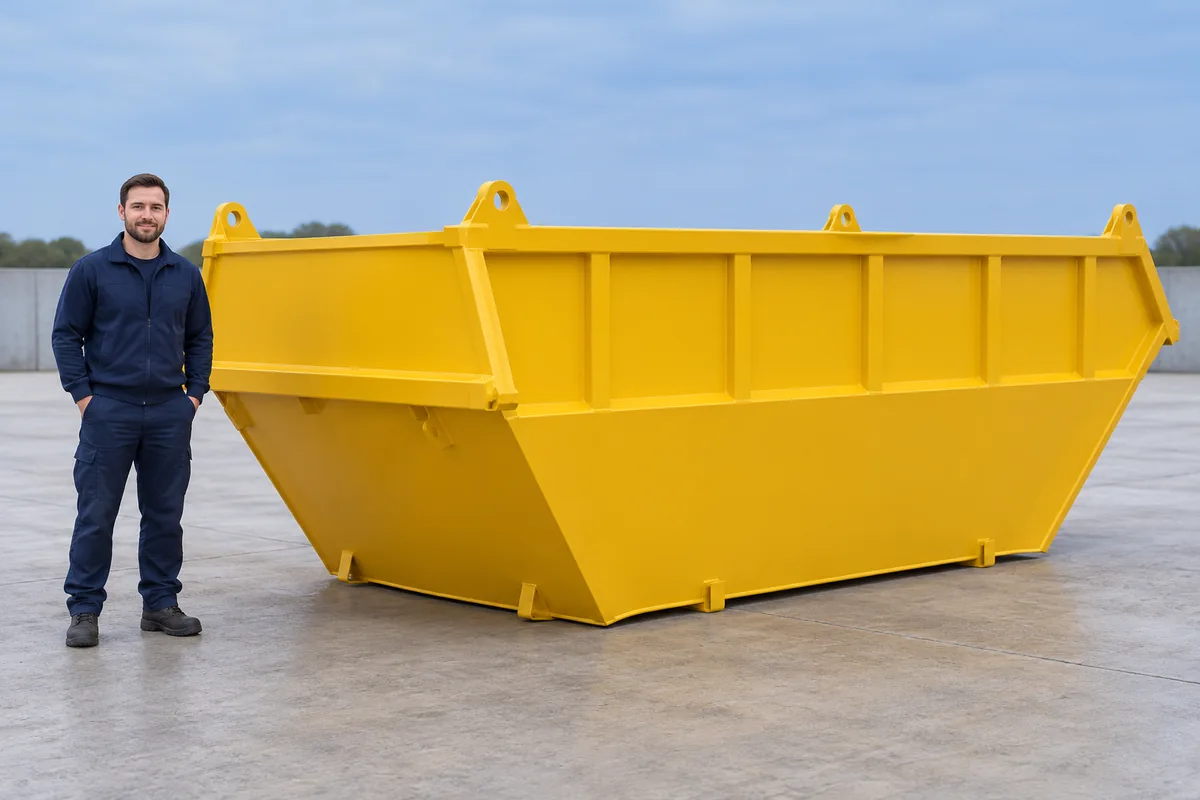
12-yard skip
Large clear-outs
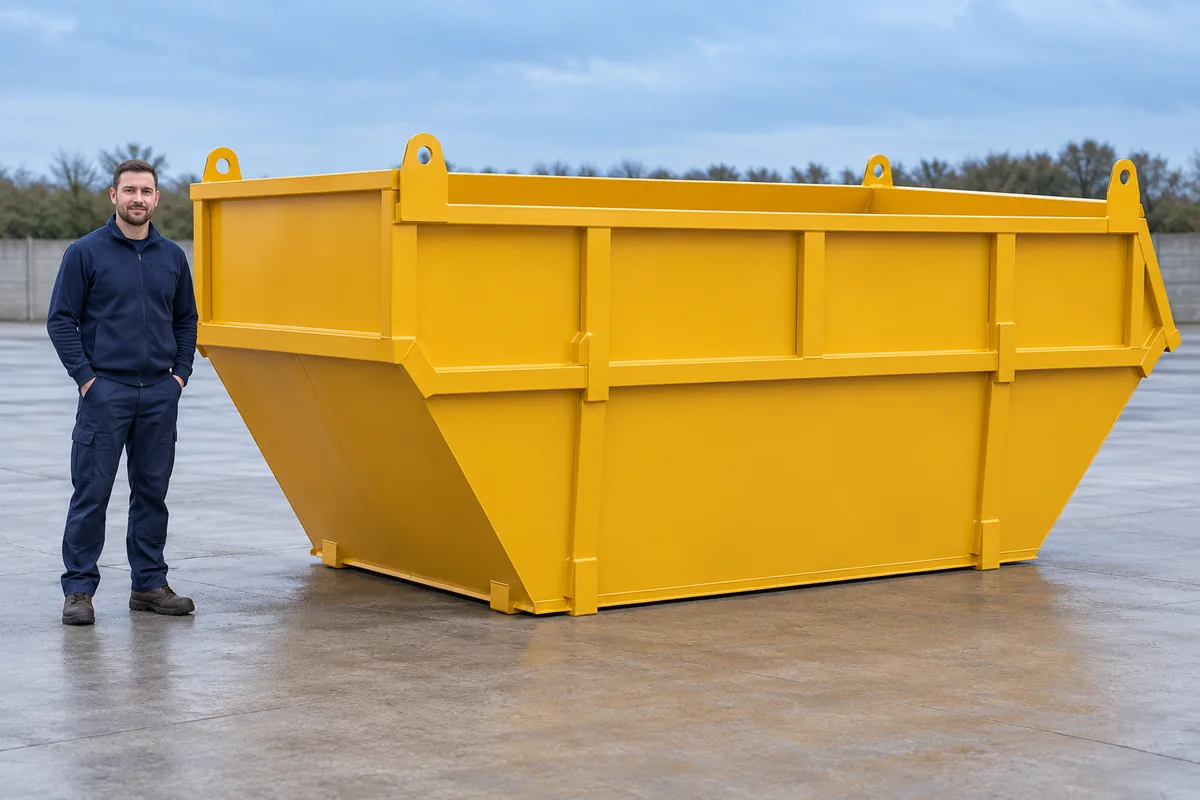
14-yard skip
More room for light waste
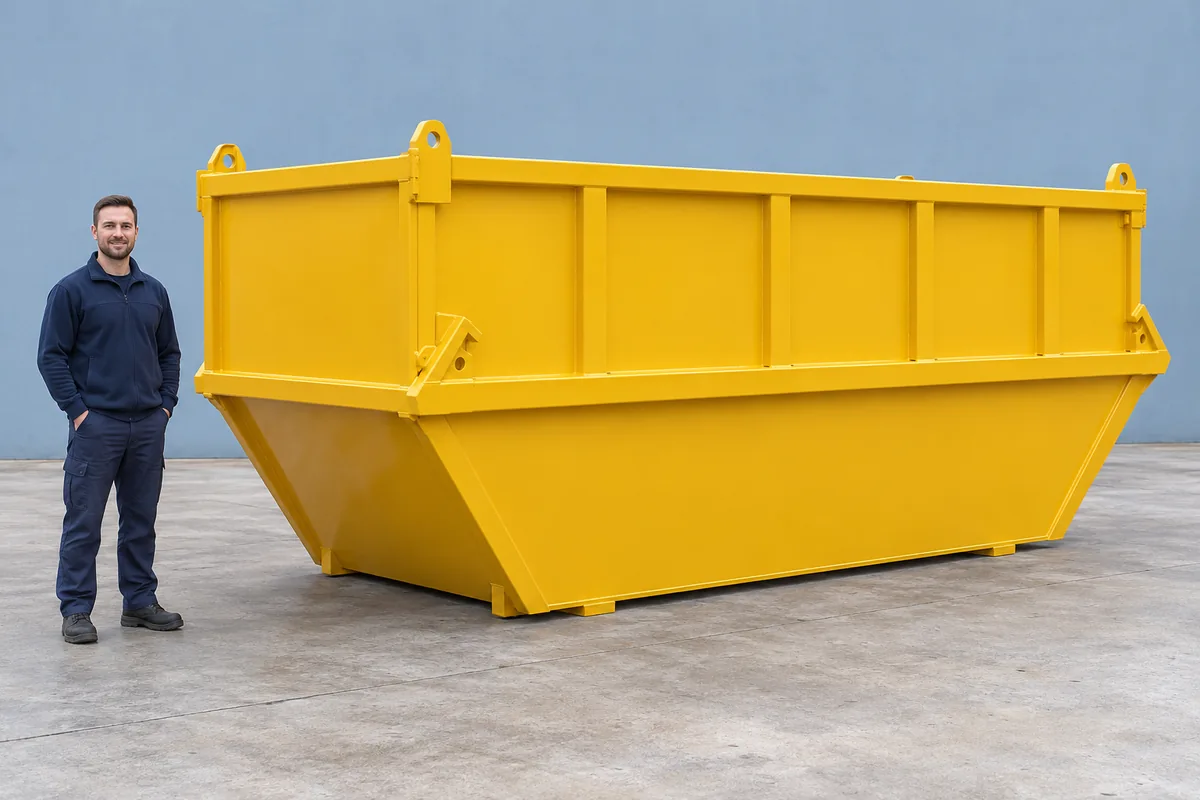
16-yard skip
Substantial bulky loads
Bag counts and photographs help compare scale. Exact measurements, availability, accepted waste and weight limits are confirmed for your booking. High-sided skips are for lighter, bulky waste; keep all loads below the rim.
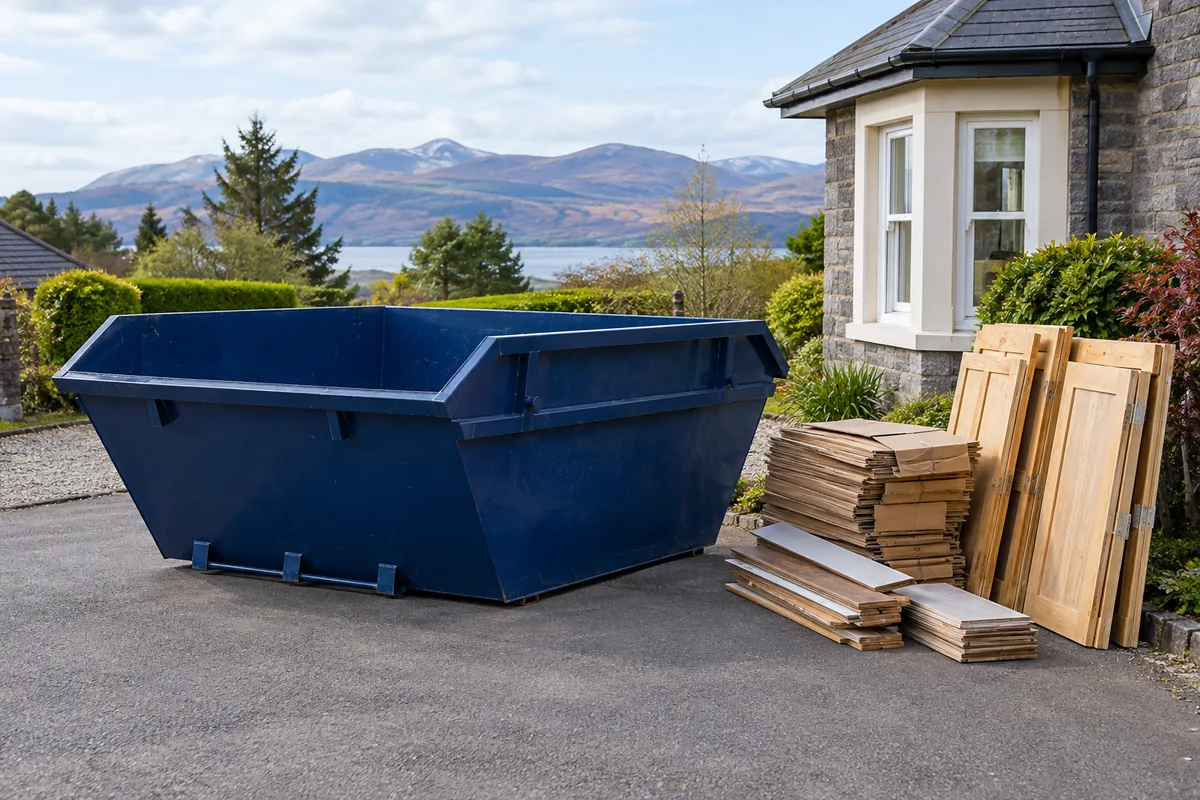
Make room for waste from every stage
A refit can start with old fittings and finish with packaging. Your skip needs to suit the waste from both stages.
Before work starts
List the fittings and materials being removed. Mention heavy tiles, concrete and any plasterboard before they are mixed together.
As new materials arrive
Allow space for timber offcuts, flattened boxes and agreed packaging, without using the skip for restricted items.
While you load
You fill the skip over the agreed hire period. Keep the load below the rim and leave the lorry’s collection route open.
Keep delivery and collection access open
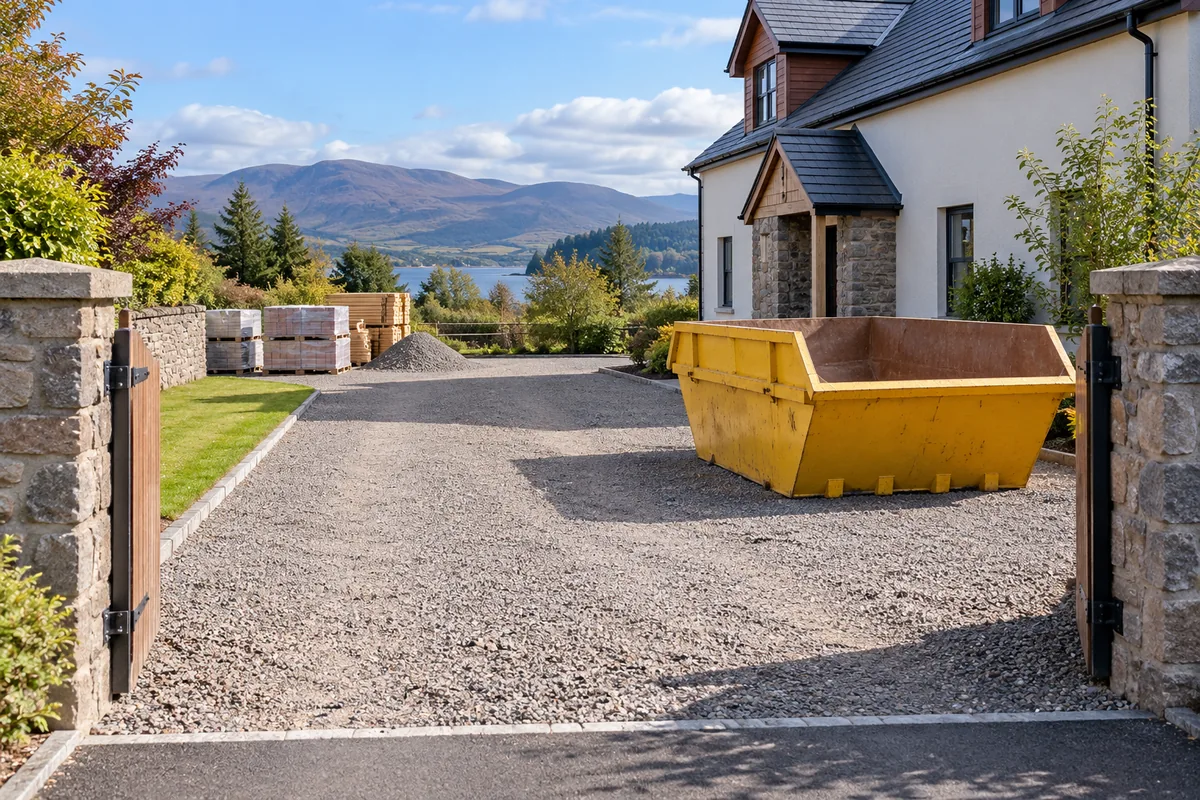
Choose the skip position before other building materials arrive. The lorry needs to reach that spot again when the skip is full.
Around the work area
Mention scaffolding, stored materials, locked gates and parked vehicles. Do not let a clear delivery route become blocked during the job.
A roadside skip in Carnoustie
Angus Council is the responsible authority. Arrange the right permission before placing a skip on a road, pavement or verge, and discuss any extension before the permitted dates run out.

Plan your Carnoustie skip hire
Call with the job, postcode and preferred dates. We’ll talk through the likely waste, skip size, placement and collection arrangements.